Are you craving a fresh look for your living space but don’t want to break the bank? You’re in luck! With a bit of creativity and resourcefulness, you can give your home a stylish makeover without spending a fortune. Here are some budget-friendly interior design ideas to help you spruce up your space:
1. Declutter and Rearrange: Sometimes, the best way to transform a room is by getting rid of clutter and reorganizing furniture. Start by decluttering your space and getting rid of items you no longer need or use. Then, experiment with different furniture arrangements to give your room a new layout and flow.
2. DIY Artwork: Add a personal touch to your walls with DIY artwork. Get creative with inexpensive materials like canvas, paint, and found objects to create one-of-a-kind pieces that reflect your style and personality. You don’t need to be a professional artist to create beautiful artwork – just let your imagination run wild!
3. Upcycled Furniture: Instead of splurging on brand new furniture, consider upcycling thrifted or old pieces to give them new life. A fresh coat of paint, new hardware, or reupholstering can completely transform a piece of furniture and make it look like new. Plus, upcycling is a sustainable way to decorate your home while saving money.
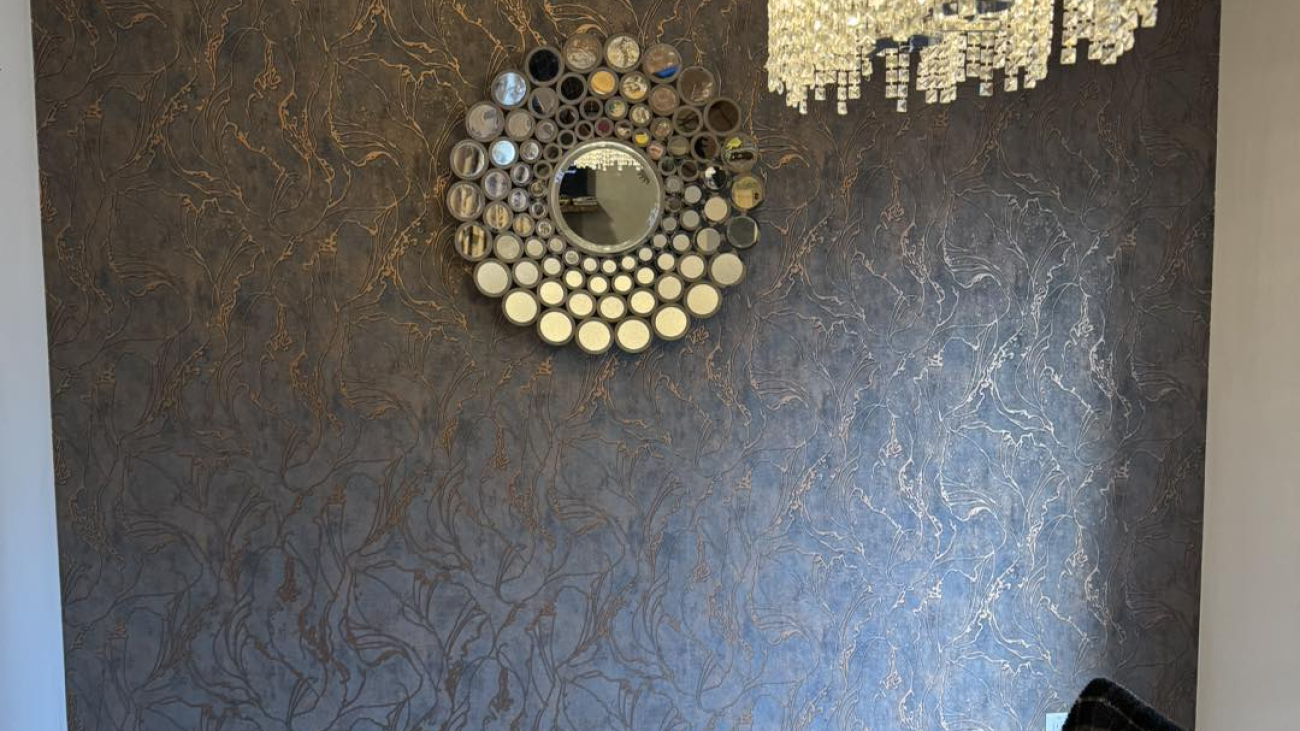
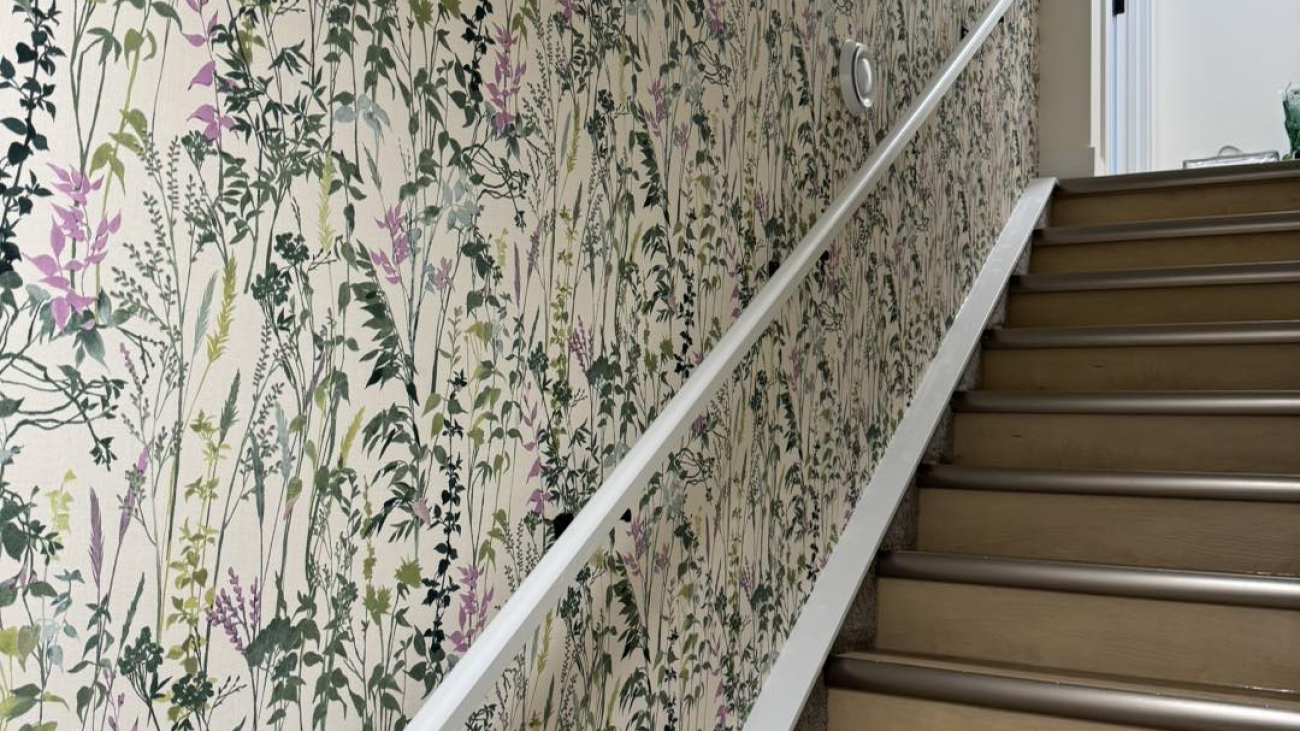
4. Statement Wall: Create a focal point in your room with a statement wall. Whether you opt for bold paint colors, removable wallpaper, or a gallery of framed artwork, a statement wall can add visual interest and personality to your space without breaking the bank. Get creative and think outside the box!
5. Indoor Plants: Bring the outdoors in with indoor plants. Not only do plants add color and texture to your space, but they also purify the air and create a sense of calm and tranquility. Shop for low-maintenance plants like succulents, pothos, and snake plants that are easy to care for and won’t break the bank.
6. Lighting: Good lighting can make a world of difference in your home. Experiment with different lighting fixtures, such as floor lamps, pendant lights, or string lights, to create ambiance and illuminate dark corners. Consider adding dimmer switches to control the brightness and create the perfect atmosphere for any occasion.
7. Textiles and Accessories: Refresh your space with new textiles and accessories. Swap out throw pillows, rugs, curtains, and other soft furnishings for affordable options in different colors, patterns, and textures to instantly update your decor. Don’t forget to mix and match to add visual interest and personality to your space.
8. Rearrange Shelves and Display Areas: Give your shelves and display areas a mini makeover by rearranging and restyling them with your favorite books, artwork, and decor items. Play around with different arrangements until you find one that feels balanced and visually appealing. Don’t be afraid to experiment and think outside the box!
Conclusion: Transforming your home doesn’t have to cost a fortune. With a little creativity and ingenuity, you can achieve a stylish and inviting space that reflects your personality and lifestyle without breaking the bank. So roll up your sleeves, unleash your creativity, and get ready to revamp your space on a budget!